Who Is Omar Sharif? The Legendary Egyptian Actor Who Conquered Hollywood
Introduction
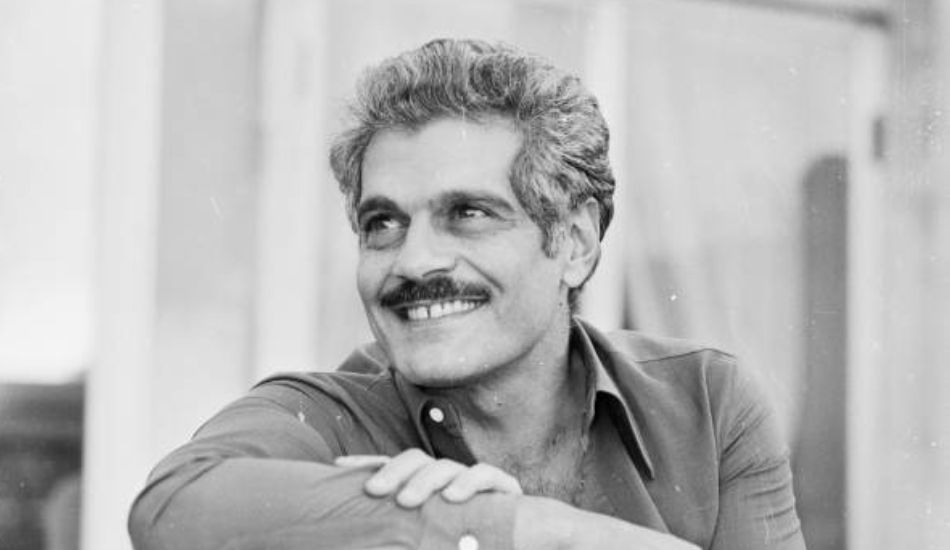
Few names in global cinema resonate with such elegance and charisma as Omar Sharif. From his mesmerizing eyes to his commanding screen presence, Sharif was not only a star in Egypt but a cinematic icon recognized across the world. His journey from Cairo to Hollywood stardom stands as one of the most fascinating stories in entertainment history. In this detailed biography, we explore Omar Sharif’s age, background, education, career, wives, family, iconic roles, and the legacy he left behind.
Omar Sharif: Early Life and Background
Born Michel Demitri Shalhoub on April 10, 1932, in Alexandria, Egypt, Omar Sharif grew up in a Lebanese Christian family that valued education and sophistication. His father, Joseph Shalhoub, was a successful timber merchant, while his mother, Claire Saada, was known for her charm and social influence.
Even in his youth, Sharif’s striking looks and intelligence set him apart. Fluent in several languages, including Arabic, English, French, Italian, and Spanish, he was a man of remarkable intellect and cultural refinement—traits that later helped him cross international boundaries with ease.
Omar Sharif’s Education and Early Interests
Omar Sharif attended Victoria College in Alexandria, one of the most prestigious schools in the Middle East. His classmates included future royalty and political figures such as King Hussein of Jordan. After school, he earned a degree in mathematics and physics from Cairo University, proving that his brilliance extended beyond acting.
Initially, he worked in his father’s lumber business, but the allure of the arts was irresistible. Sharif’s passion for acting led him to study at the Royal Academy of Dramatic Art (RADA) in London, setting the stage for an extraordinary career.
From Cairo to Fame: Omar Sharif’s Rise in Egyptian Cinema
Before conquering Hollywood, Sharif had already become a household name in Egypt. His debut film, “The Blazing Sun” (1954), directed by the legendary Youssef Chahine, marked the beginning of his acting journey. The film also changed his life personally—it introduced him to his future wife, Faten Hamama, one of Egypt’s greatest actresses.
During the 1950s, Sharif starred in numerous Egyptian films, quickly becoming known for his romantic roles and sophisticated demeanor. His screen presence captivated audiences, and by the late 1950s, he was considered Egypt’s most popular leading man.
Omar Sharif’s Marriage to Faten Hamama
In 1955, Sharif converted to Islam to marry Faten Hamama, who was already a major star in Egyptian cinema. The two became Egypt’s golden couple, admired for their chemistry both on and off the screen. Together, they starred in several films, including “Struggle in the Valley” and “The River of Love.”
Their marriage, however, faced challenges due to Sharif’s growing international fame and frequent travels. The couple eventually divorced in 1974, though Sharif often referred to Hamama as the love of his life. They had one son, Tarek Sharif, who later appeared alongside his father in Doctor Zhivago as the young Yuri.
Omar Sharif’s Breakthrough: Lawrence of Arabia
Sharif’s transition to international cinema came in 1962 with David Lean’s epic masterpiece, “Lawrence of Arabia.” Cast as Sherif Ali, the noble desert leader, Sharif delivered a performance that stunned audiences worldwide. His first entrance, riding out of a shimmering desert mirage, remains one of the most iconic moments in film history.
The role earned him an Academy Award nomination for Best Supporting Actor and a Golden Globe Award, catapulting him into Hollywood’s elite. Sharif’s dignified portrayal of Arab identity reshaped how Middle Eastern characters were represented in Western cinema.
Doctor Zhivago: Cementing Global Stardom
In 1965, Omar Sharif collaborated again with David Lean in “Doctor Zhivago,” playing the titular role of Yuri Zhivago, a physician and poet caught in the chaos of the Russian Revolution. The film became one of the highest-grossing movies of all time and solidified Sharif as an international romantic hero.
His portrayal of Zhivago was tender, tragic, and deeply human. It showcased his ability to convey emotion without excess—a rare quality that made him one of the most admired actors of his generation.
Omar Sharif’s Hollywood Legacy
Following the success of Doctor Zhivago, Sharif became one of the few non-Western actors to achieve sustained stardom in Hollywood. He appeared in films such as “Funny Girl” (1968) opposite Barbra Streisand, “The Night of the Generals” (1967), and “Mayerling” (1968).
His collaboration with Streisand in Funny Girl was both professionally and personally charged; despite their cultural and political differences, their on-screen chemistry became legendary.
Sharif’s charm, intelligence, and versatility allowed him to transcend racial and cultural boundaries—he was equally convincing as a Russian, a Spaniard, or an Arab prince.
Omar Sharif’s Passion for Bridge and Horse Racing
Outside of acting, Sharif had two great passions: bridge and horse racing. He was among the top contract bridge players in the world and even published several books on the subject, including Omar Sharif Talks Bridge. He also wrote a syndicated newspaper column on bridge that ran for decades.
In horse racing, he was both a fan and participant, owning several horses and often attending races in Europe and the Middle East.
Omar Sharif’s Later Years and Continued Influence
In his later career, Sharif appeared in a mix of European and Middle Eastern productions. Notable films included “Monsieur Ibrahim” (2003), for which he won a César Award (the French equivalent of the Oscar) for Best Actor. This role marked a graceful return to form and reminded audiences of his unmatched screen presence.
Despite working less frequently in his later years, Sharif remained a respected figure in global cinema, admired for his contribution to bridging Eastern and Western cultures through film.
Omar Sharif’s Cause of Death and Legacy
Omar Sharif passed away on July 10, 2015, in Cairo, Egypt, at the age of 83, due to a heart attack. Earlier that year, his family had revealed he was suffering from Alzheimer’s disease, which affected his memory in his final years.
His death marked the end of an era, but his legacy endures through the films that continue to inspire new generations. Sharif’s performances in Lawrence of Arabia and Doctor Zhivago remain cinematic treasures studied and celebrated worldwide.
Omar Sharif’s Family and Descendants
Omar Sharif had one son, Tarek Sharif, from his marriage to Faten Hamama. Tarek is the father of Omar Sharif Jr., who has followed in his grandfather’s footsteps as an actor and activist. Sharif Jr. is known for his advocacy of LGBTQ+ rights and his work in promoting cultural understanding.
Through his grandson, Sharif’s legacy lives on—not just as a movie star, but as a symbol of courage, dignity, and human connection.
Omar Sharif’s Impact on Arab Cinema and Global Representation
Sharif’s rise to fame broke barriers for Arab actors in international cinema. At a time when Hollywood often relied on stereotypes, he brought sophistication and authenticity to Arab roles. His success paved the way for future generations of Middle Eastern actors seeking to make their mark globally.
He demonstrated that talent, intelligence, and presence could transcend national and linguistic boundaries—a message still relevant today.
Remembering Omar Sharif
Omar Sharif was more than just an actor; he was a cultural ambassador who introduced Western audiences to the richness of Arab identity. His captivating performances, intellectual pursuits, and personal elegance made him a legend whose influence continues to resonate.
From Lawrence of Arabia to Doctor Zhivago, his roles defined a cinematic golden age. Even years after his passing, Sharif remains a timeless icon—a man who embodied both art and humanity.
For more timeless stories of legendary figures like Omar Sharif, visit Chopmagazine.com, where we continue to celebrate cultural icons who shaped the world.